

未本美

天然生物质资源的高值化利用与新颖生物材料创制
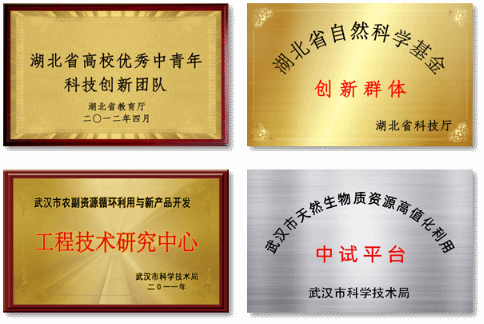
——湖北省高校优秀中青年科技创新团队
团队简介:
“天然生物质资源的高值化利用与新颖生物材料创制”团队组建于2010年,是湖北省重点学科“化学工程与技术”的核心学科团队和湖北省优势学科群“食品科学与营养”的骨干团队,2012年获批为“湖北省高校优秀中青年科技创新团队”,2018年获批为“湖北省自然科学基金创新群体”。团队隶属武汉轻工大学化学与环境工程学院,依托“农业废弃物湖北省重点实验”、“武汉市农副资源循环利用与新产品开发工程技术研究中心”、“武汉市天然生物质资源高值化利用中试平台”,重点围绕农业加工副产物资源中功能性生物质的高值利用和新产品创制开展基础和应用基础研究。
团队拥有一只研究方向稳定、成员构成合理、与湖北省省域经济发展密切关联的高水准研究队伍,现有教授2人、副教授5人、博士讲师3人,在读硕士研究生20余人,形成了良好的人才梯队。各成员的研究方向涵盖了天然产物化学、生物功能材料、功能食品、生物医学等相关领域,为农副资源综合利用和新颖生物材料开发提供了有力的人员支撑。2010年以来,本团队已围绕相关领域先后承担6项国家自然科学基金项目和10余项省部级科研项目,发表论文200余篇,授权发明专利20余项,形成多个生物材料新产品,相关研究成果经过推广和应用转化有力的促进了湖北省农产品加工业、医用生物材料和化妆品等行业的产业升级与技术进步。
研究方向简介:
自然界中具有经济价值的动植物、微生物及其有效成分,是宝贵的天然生物质资源。湖北省农业资源丰富,大宗及特色农产品种类多样,在推动区域农业绿色转型和产业链延伸的背景下,实现农产品加工副产物的高值化利用,是支撑我省构建“51020”现代产业集群、推动农业产业化提质增效的重要路径。
本团队紧密围绕湖北省大宗及特色农业资源,聚焦农产品加工过程中产生的废弃物,致力于从中提取蛋白质、多糖、活性小分子等功能成分,并开展系统的高值化利用研究。通过整合化学、化工、生物学、材料学及生物医学等多学科手段,重点解析功能性组分的结构与性能,推进其功能化改性,并着力创制新型生物材料,服务于生命健康、绿色化工及先进制造等“51020”产业领域,助力我省农业资源精深加工与区域产业协同发展。
团队成员简介:
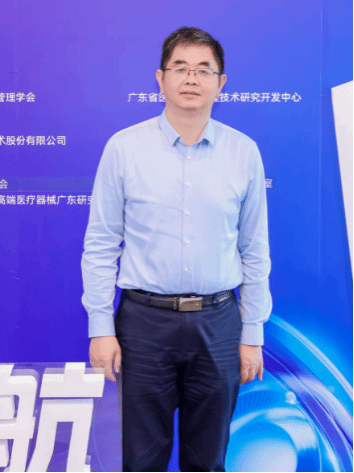
汪海波 教授,博士生导师,湖北工程学院校长,享受国务院特殊津贴专家,湖北省自然科学基金创新群体负责人,湖北省高校中青年创新团队负责人,武汉市农副资源循环利用与新产品开发工程技术中心主任,国家食药监督管理局医疗器械审评专家组成员,国家自然科学基金委通讯评审专家,入选武汉市青年科技“晨光计划”,荣获“金龙鱼”青年教师奖。主要研究方向为天然产物化学、新颖生物功能材料研究及新产品开发。围绕相关方向,先后主持国家自然科学基金、湖北省自然科学创新群体项目、湖北省自然科学基金等科研项目20余项,发表SCI收录论文100余篇,授权国家发明专利近20项。
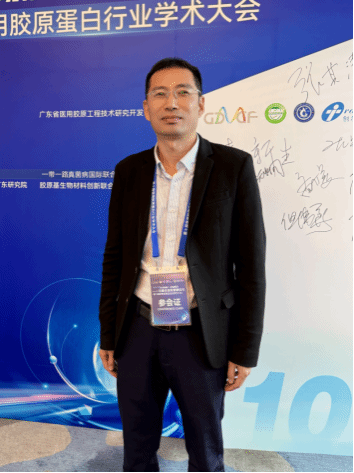
未本美 教授,硕士研究生导师,现任国家食品药品监督管理局医疗器械评审专家、全国研究生教育评估监测专家库专家、农业废弃物资源化利用湖北省重点实验室副主任、武汉市天然生物质资源的高值转化与跨域应用中试平台主任、武汉轻工大学学术委员会委员、武汉轻工大学科技创新团队负责人。主要从事天然生物质资源的高值转化、胶原基生物材料创制及生物传感等方面的研究工作。近年来,先后主持和参与国家自然科学基金、湖北省自然科学创新群体项目、湖北省自然科学基金、湖北高校省级教学研究项目等教科研项目20余项;第一作者或通讯作者发表SCI收录论文30余篇,授权国家发明专利11项;获湖北省高等学校教学成果二等奖1项。
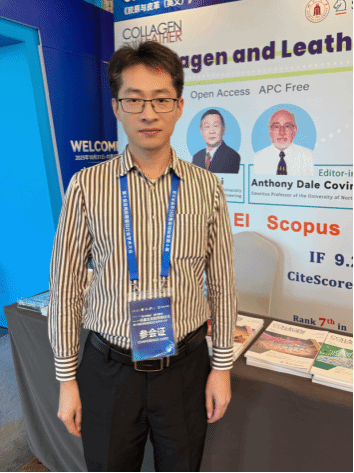
张军涛 副教授,博士生导师,现任化学与环境工程学院院长助理。2011年9月博士毕业于兰州大学有机化学专业,先后在香港中文大学、华中科技大学从事博士后研究。目前主要从事农副资源高值转化、胶原基止血材料创制等方面的研究工作。近年来,主持国家自然科学基金面上、青年项目,湖北省自然科学基金,武汉市晨光计划、知识创新专项,企业横向等项目10余项;发表论文100余篇,其中第一或通讯作者论文50余篇;授权发明专利10余项,转化1项;获湖北省科技进步奖三等奖1项。

徐玉玲 副教授,硕士生导师。2015年6月博士毕业于华中师范大学有机化学专业。2015.10-2016.11在美国普渡大学从事博士后研究。目前主要从事农副资源高值化利用、丝素及胶原基生物功能材料等方面的研究工作。近年来,参与国家自然科学基金、湖北省自然科学基金、武汉市科研项目等6项,主持和参与横向项目10余项,累计发表SCI和EI论文20余篇,其中第一或通讯作者论文10篇。近三年指导本科生获得国家级和省级学科竞赛一等奖各一项。
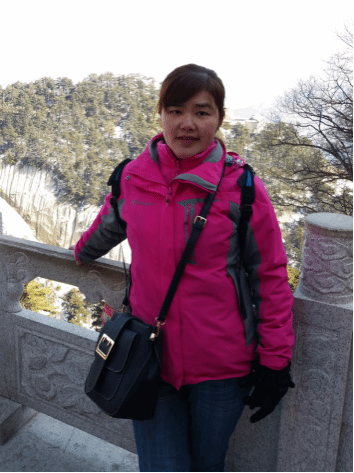
廖丽霞 副教授,硕士生导师。2012年12月博士毕业于哈尔滨工业大学化学工程与技术专业。目前主要从事生物质功能材料方面的研究工作。近年来,主持国家级、省级以及市厅级等各级别10余项,已累计发表SCI论文30余篇,其中第一或通讯作者论文20余篇,编写专著一部,授权发明专利2项。
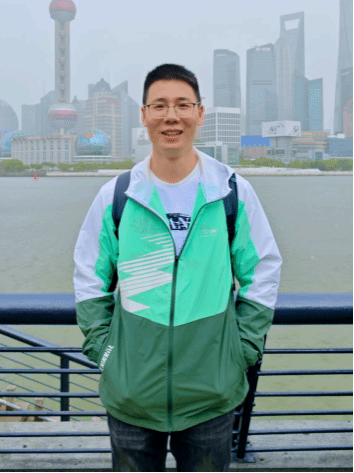
许承志 副教授,硕士生导师,现任化学与环境工程学院化工系副主任。2016年9月博士毕业于福州大学化学工程专业。目前主要从事农副资源高值转化、胶原基生物功能材料创制等方面的研究工作。近年来,主持和参与国家自然科学基金、湖北省自然科学基金、湖北省教育厅科技项目8项,已累计发表SCI论文40余篇,其中第一或通讯作者论文15篇,授权技术发明专利6项。
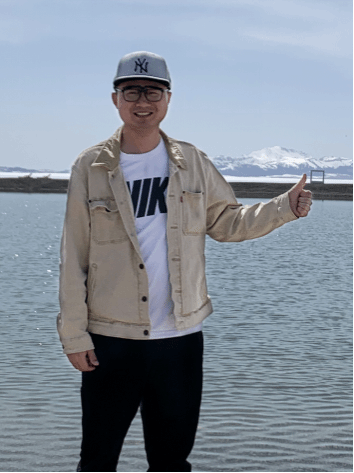
李盛 博士讲师,硕士生导师。2018年6月毕业于武汉大学,获理学博士学位。2021年-2022年在University of Alberta从事博士后研究工作。目前主要从事以生物质资源为基础的功能材料研究工作。主持过湖北省教育厅青年人才项目,参与过多项国家自然科学基金及湖北省自然科学基金。以第一作者和通讯作者累计发表SCI论文20余篇,授权发明专利2项。

朱链 博士讲师,硕士生导师。2017年6月毕业于武汉大学分析化学专业。目前主要从事胶原生物医用材料应用研究。近年来,主持和参与国家自然科学基金、湖北省自然科学基金项目7项。已累计发表SCI科技论文40余篇,其中,第一(通讯作者)论文15篇,授权技术发明专利3项。指导学生参加全国大学生生命科学竞赛(二等奖2次)、湖北省“挑战杯”大学生课外学术科技作品竞赛(一等奖),已指导硕士研究生、本科生20余人,是湖北省细胞外囊泡学会理事、中国化学会会员、中国生物材料学会会员。长期担任Molecular Cancer, Bioactive Materials, Acta Biomaterialia, Chinese Chemical Letters等杂志审稿人。
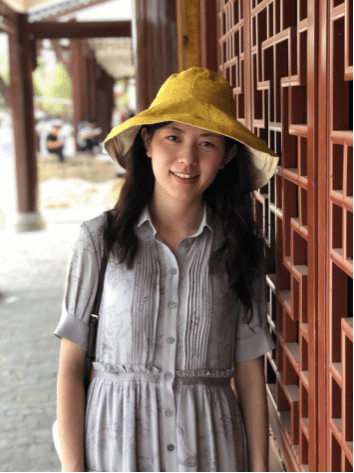
侯袁婧 博士讲师。2019年12月博士毕业于武汉理工大学大学材料科学与工程专业。目前主要从事生物医用材料与组织修复、胶原基仿生功能材料等方向的研究工作。近年来,主持和参与国家自然科学基金、湖北省自然科学基金、湖北省教育厅科技项目3项,已累计发表论文20余篇,授权技术发明专利1项。

寇慧芝 硕士,高级实验师。目前主要从事农副资源高值转化及生物医学材料领域的基础研究。发表论文20余篇,其中被EI及SCI收录13篇。
四、承担项目
序号 | 项目名称 | 负责人 | 项目分类 |
1 | 胶原与血小板关键受体相互作用的结构学机制及其对材料止血性能的影响(22378320) | 张军涛 | 国家自然科学基金面上项目 |
2 | 胶原蛋白分子结构域多元化与人工重塑的实验学研究(22178277) | 汪海波 | 国家自然科学基金面上项目 |
3 | 聚异丙基丙烯酰胺接枝改性胶原的体外纤维重组(21706201) | 张军涛 | 国家自然科学基金青年项目 |
4 | 异源胶原的“杂化”纤维重组——现象、分子学机制与新颖材料设计(21676208) | 汪海波 | 国家自然科学基金面上项目 |
5 | 鱼胶原体外自组装机制及其对胶原胶生物学性能的指针作用(21376183) | 汪海波 | 国家自然科学基金面上项目 |
6 | 淡水鱼胶原蛋白在生物医学材料领域中应用的相关基础问题研究(21076166) | 汪海波 | 国家自然科学基金面上项目 |
7 | 水产胶原-硒递药系统重塑细胞外基质用于增强乳腺癌化疗研究(2024AFB919) | 朱链 | 湖北省自然科学基金面上项目 |
8 | 鱼加工副产物中天然胶原——面向新颖生物材料创制的应用基础研究(2019CFB252) | 汪海波 | 湖北省自然科学基金创新群体项目 |
9 | 鱼加工废弃物中天然胶原的仿生骨矿化——静压力场的调控与机制 | 许承志 | 湖北省自然科学基金青年项目 |
10 | 淡水鱼胶原的“掺杂”自组装与新颖生物材料设计(2017CFB507) | 未本美 | 湖北省自然科学基金面上项目 |
11 | 限域空间内鱼源胶原蛋白分子的自组装行为及新颖功能器件研制(2016CFB299) | 张军涛 | 湖北省自然科学基金青年项目 |
12 | 离子液体催化生物大分子自组装(D20161703) | 未本美 | 湖北省教育厅重点项目 |
13 | 淡水鱼加工废弃物资源的高效利用与新产品开发(T201208) | 汪海波 | 湖北省优秀创新团队项目 |
14 | 淡水鱼加工废弃物的生物吸附性能与机理(09CDA358) | 汪海波 | 湖北省自然科学基金重点项目 |
15 | 草鱼鱼鳞胶原蛋白的理化性能及影响因素研究(07A0340) | 汪海波 | 湖北省教育厅优秀人才项目 |
16 | 鱼加工废弃物中天然胶原的功能化改性与新颖材料设计(2017050304010326) | 张军涛 | 武汉市青年科技晨光计划 |
17 | 鱼加工废弃物中胶原蛋白的体外纤维重组及新颖生物材料构建的关键技术研究(2016020101010082) | 汪海波 | 武汉市应用基础研究项目 |
18 | 淡水鱼胶原蛋白在生物医学材料中的应用及其关键技术(2013020501010177) | 汪海波 | 武汉市应用基础研究项目 |
19 | 基于水产加工废弃物中天然胶原的新颖生物功能材料研究和智能离子传输器件开发(2016J04) | 张军涛 | 武汉轻工大学杰出青年科学基金项目 |
22 | 创面修复用生物活性胶原敷贴制备关键技术(80万) | 侯袁婧 | 企业合作项目 |
23 | 鱼蛋白多肽生产关键技术的新产品开发(58万) | 廖丽霞 | 企业合作项目 |
24 | 鱼骨胶原多肽高效提取工艺技术开发(68万) | 廖丽霞 | 企业合作项目 |
25 | 一种胶原-壳聚糖水凝胶及其制备方法(100万) | 李盛 | 企业合作项目 |
五、团队成果
1、代表性论文
(1) Collagen-Fibronectin Crosstalk in Engineered Matrices: Synergistic Assembly Orchestrates Fibrillar Morphogenesis and Cell Adhesion-Migration Dynamics. Biomacromolecules, 2025, DOI: 10.1021/acs.biomac.5c01404.
(2) Regulation of the hemostatic performance of collagen: on the role of hydrophilicity. Chemical Engineering Journal, 2025, 523, 168571.
(3) Preparation and application of collagen-based hemostatic materials: a review. Collagen and Leather, 2025, 7, 11.
(4) The impact of spatial structures of collagen on the hemostatic properties of collagen/calcium alginate composite membranes. International Journal of Biological Macromolecules, 2025, 288, 138753.
(5) A water-soluble fluorescent probe derived from fish collagen peptides for multi-targeted detection of Cu2+ and Zn2+ ions via AIE and ESIPT mechanisms. Microchemical Journal, 2025, 215, 114313.
(6) Collagen-based biomaterials: recent advances on regulating cell migration and correlated biomedical applications. Collagen and Leather, 2025, 7, 17.
(7) Mineral-element-chelating activity of food-derived collagen peptides: influencing factors and enhancement strategies. Critical Reviews in Food Science and Nutrition, 2025, 65, 3241-3255.
(8) The regulatory effect of grass carp collagen configuration on the migration behavior of stem cells. New Journal of Chemistry, 2025, 49, 3166.
(9) Adhesive, Biocompatible, Antibacterial, and Degradable Collagen-Based Conductive Hydrogel as Strain Sensor for Human Motion Monitoring. Molecules, 2024, 29, 5728.
(10) The impact of N‑terminal modification of PAA with different chain lengths on the structure, thermal stability and pH sensitivity of succinylated collagen. Collagen and Leather, 2024, 6, 6.
(11) Fabrication and properties of hydrogel based on itaconic anhydride modified collagen. European Polymer Journal, 2024, 215, 113240.
(12) Unraveling the role of integrating signal peptides into natural collagen on modulating cancer cell adhesion. International journal of biological macromolecules, 2024, 283, 137808.
(13) Fish-Derived Collagen: A Promising Biomaterial for Regulating the Migration Behavior of MCF-7 Cells. Advanced Engineering Materials, 2024, 26, 202400415.
(14) Modulating collagen configuration for flexibly regulating cell adhesion and migration behavior. European Polymer Journal, 2024, 217, 113292.
(15) Recent advances on collagen biomaterial: from extraction, cross-linking to tissue regeneration. Polymer Reviews, 2024, 64, 1031-1059.
(16) Recognition of MCF-7 breast cancer cells using native collagen probes: Collagen source effect. International Journal of Biological Macromolecules, 2024, 282, 136661.
(17) Absorption of food-derived peptides: Mechanisms, influencing factors, and enhancement strategies. Food Research International, 2024, 197, 115190.
(18) Enhancing the antioxidant activity of fish scale collagen peptides through plastein reaction. Food and Bioprocess Technology, 2024, 17, 3693-3703.
(19) Differential impact of the triple helix dissociation degree of collagen on the binding efficiency with cancer cells and normal cells. New Journal of Chemistry, 2024, 48, 7990-7996.
(20) Insights into the 1-ethyl-3-(3-dimethylaminopropyl) carbodiimide (EDC)-induced gelation of fully carboxylated collagen and the fabrication of hydrogels with enhanced mechanical properties. New Journal of Chemistry, 2024, 48, 6660-6669.
(21) Highly fluorescent fish scale-derived carbon dots for quercetin sensing. New Journal of Chemistry, 2024, 48: 16631-16641.
(22) Ultrahigh Pressure Field: A friendly pathway for regulating the cellular adhesion and migration capacity of collagen. International Journal of Biological Macromolecules, 2024, 257, 127864.
(23) Electrospun Nanofibrous Conduit Filled with a Collagen-Based Matrix (ColM) for Nerve Regeneration. Molecules, 2023, 28, 7675.
(24) Mesenchymal Stem Cell Derived Extracellular Vesicles: Promising Nanomedicine for Cutaneous Wound Treatment. ACS Biomaterials Science & Engineering, 2023, 9, 2, 531-541.
(25) Stem Cell-Derived Exosomes for Chronic Wound Repair. Cell and Tissue Research, 2023, 391, 419-423.
(26) Insight into the differences in carbon dots prepared from fish scales using conventional hydrothermal and microwave methods. Environmental Science and Pollution Research, 2023, 30, 54616-54627.
(27) Effects of γ-Ray Irradiation on the Molecular Structure of Collagen in Different Product Forms. New Journal of Chemistry, 2023, 47, 4964-4972.
(28) A Fluorescent Sensing Platform Based on Collagen Peptides-Protected Au/Ag Nanoclusters and WS2 for Determining Collagen Triple Helix Integrity. Analytica Chimica Acta, 2023, 1247, 340900.
(29) Site-specific modification of N-terminal α-amino groups of succinylated collagen. International Journal of Biological Macromolecules, 2023, 225, 310-317.
(30) Comparison of Carbon Dots Prepared from Collagen Peptide Using Conventional Hydrothermal and Microwave Methods. New Journal of Chemistry, 2023, 47, 3159-3166.
(31) PD-1 Engineered Cytomembrane Cloaked Molybdenum Nitride for Synergistic Photothermal and Enhanced Immunotherapy of Breast Cancer. Journal of Materials Chemistry B, 2022, 10, 9249-9257.
(32) Fabrication of a Stepwise Degradable Hybrid Bioscaffold Based on The Natural and Partially Denatured Collagen. International Journal of Biological Macromolecules, 2022, 213, 416-426.
(33) Improvement of Collagen Self-Assembly and Thermal Stability in The Presence of Trehalose. New Journal of Chemistry, 2022, 46, 9264-9271.
(34) Effect of Molecular Chirality on the Collagen Self-Assembly. New Journal of Chemistry, 2021, 45, 15863-15868.
(35) Natural collagen peptides-encapsulated gold nanoclusters for the simultaneous detection of multiple antibiotics in milk and molecular logic operations. LWT, 2021, 153, 112416.
(36) Electro-deposition synthesis of tube-like collagen-chitosan hydrogels and their biological performance. Biomedical Materials, 2021, 16, 035019.
(37) Fibrillogenesis of Acrylic Acid-Grafted-Collagen without Self-Assembly Property Inspired by the Hybrid Fibrils of Xenogeneic Collagen. International Journal of Biological Macromolecules, 2020, 163, 2127-2133.
(38) A Quantum Dot-Based Fluorescence Sensing Platform for the Efficient and Sensitive Monitoring of Collagen Self-Assembly. New Journal of Chemistry, 2020, 44, 11304-11309.
(39) Effect of Pre-Shearing Treatment on the Molecular Structure, Fibrillogenesis Behavior and Gel Properties of Collagen. New Journal of Chemistry, 2020, 44, 6760-6770.
(40) Induction of Fiber-Like Aggregation and Gelation of Collagen by Ultraviolet Irradiation at Low Temperature. International Journal of Biological Macromolecules, 2020, 153, 232-239.
(41) Structure Restoration of Thermally Denatured Collagen by Ultrahigh Pressure Treatment. Food and Bioprocess Technology, 2020, 13, 367-378.
(42) Insight into the Role of Grafting Density in the Self-Assembly of Acrylic Acid-Grafted-Collagen. International Journal of Biological Macromolecules, 2019, 128, 885-892.
(43) Facile Preparation of a Collagen-Graphene Oxide Composite: A Sensitive and Robust Electrochemical Aptasensor for Determining Dopamine in Biological Samples. International Journal of Biological Macromolecules, 2019, 135, 400-406.
(44) Improved Thermostability and Cytocompatibility of Bacterial Cellulose/Collagen Composite by Collagen Fibrillogenesis. Cellulose, 2019, 26, 6713-6724.
(45) Telopeptide-Dependent Xenogeneic Collagen Co-Assembly. New Journal of Chemistry, 2019, 43, 11679-11683.
(46) Graphene-Oxide-Based FRET Platform for Sensing Xenogeneic Collagen Coassembly. Journal of Agricultural and Food Chemistry, 2018, 66, 9080-9086.
(47) Effects of Preparation Processes on the Structure and Properties of Collagen Gel. Drying Technology, 2018, 36, 1031-1040.
(48) Effect of Ultra-High Pressure on Molecular Structure and Properties of Bullfrog Skin Collagen. International Journal of Biological Macromolecules, 2018, 111, 200-207.
(49) Centrifugation-Induced Fibrous Orientation in Fish-Sourced Collagen Matrices. Soft Matter, 2017, 13, 9220-9228.
(50) Detection of Type I Collagen Fibrils Formation and Dissociation by a Fluorescence Method Based on Thioflavin T. International Journal of Biological Macromolecules, 2016, 92, 1175-1182.
(51) A New Electrochemical Aptasensor Based on a Dual-Signaling Strategy and Supersandwich Assay, Analyst, 2016, 141, 4313-4318.
(52) Effect of Ultrasonication on the Fibril-Formation and Gel Properties of Collagen from Grass Carp Skin. Materials Science and Engineering C, 2016, 59, 1038-1046.
(53) Effect of Heat Treatment on the Enzymatic Stability of Grass Carp Skin Collagen and Its Ability to Form Fibrils In Vitro. Journal of Science of Food and Agriculture, 2015, 95, 329-336.
2、授权发明专利
(1) 一种多孔支架材料填充的神经移植物导管及制备方法和应用,ZL 202211287200.0.
(2) 一种利用胶原肽包裹金属纳米簇和二硫化物纳米材料检测胶原蛋白三螺旋结构完整性的方法,ZL 202210878594.0.
(3) 一种天然胶原的N端精准接枝改性方法,ZL 202111352994.X.
(4) 一种胶原-壳聚糖水凝胶及其制备方法,ZL 202010202330.4.
(5) 一种低温诱导的胶原自组装凝胶及其制备方法,ZL 201911067643.7.
(6) 一种天然胶原蛋白/纳米金复合物及同步监控天然胶原蛋白自组装的方法,ZL 201910722406.3.
(7) 一种具有纤维化性能的丙烯酸接枝天然胶原蛋白及其制备方法,ZL 201810791331.X.
(8) 一种复合膜及其制备方法和应用,ZL 201810731996.1.(已转化)
(9) 胶原/细菌纤维素复合膜敷料及其制备方法,ZL 201710736093.8.
(10) 促进部分热变性I型胶原恢复原有三螺旋结构的处理方法,ZL 201710651998.5.
(11) 一种具有孔隙大小自适应调节能力的胶原海绵制备方法及胶原海绵,ZL 201710652011.1.
(12) 提高胶原纤维材料抗拉强度的方法,ZL 201410392802.1.
(13) 淡水鱼源胶原蛋白海绵材料及其制备方法,ZL 201310322278.6.
六、人才培养
(1) 第九届全国大学生生命科学竞赛,一等奖
(2) 第十届全国大学生生命科学竞赛,二等奖
(3) 第九届全国大学生生物医学工程创新设计竞赛,三等奖
(4) 湖北省第十三届“挑战杯”大学生创业计划竞赛,银奖
(5) 湖北省第十五届“挑战杯”大学生课外学术科技作品竞赛,一等奖
(6) 湖北省第八届“我梦见-楚天创客”大赛,铜奖
七、团队活动掠影
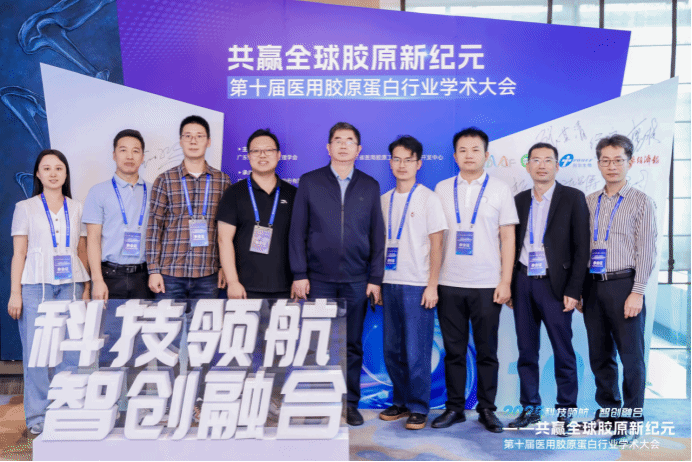
第十届医用胶原蛋白行业学术大会·广州
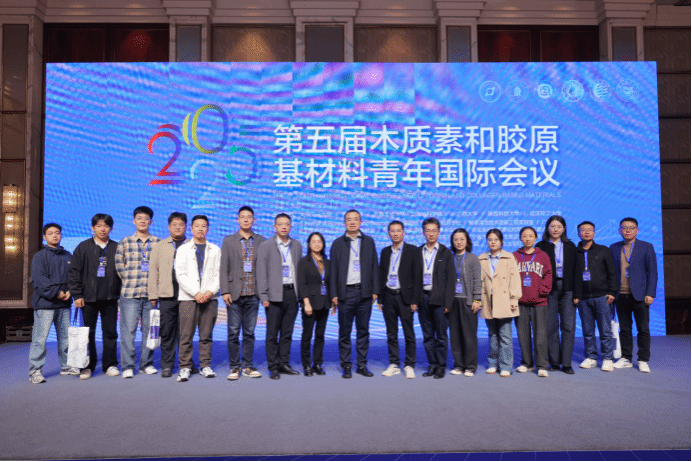
第五届木质素和胶原基材料青年国际会议·大连
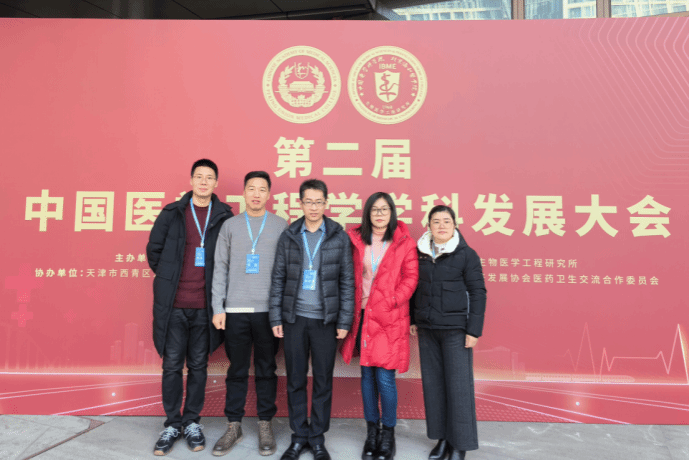
第二届中国医学工程学学科发展大会·天津
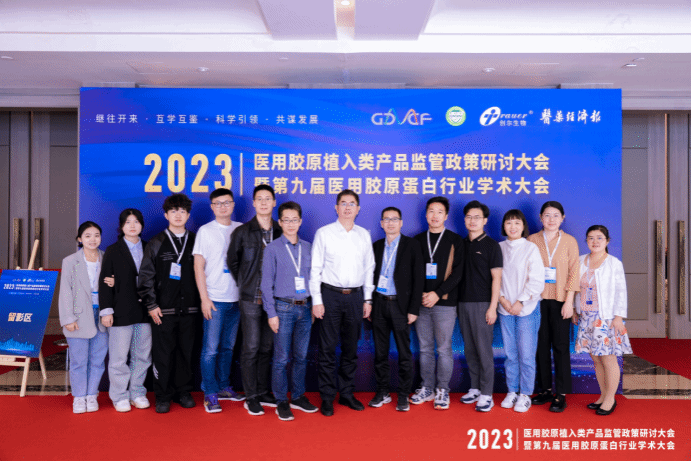
第九届医用胶原蛋白行业学术大会·广州

